Seasonal Gardening Techniques - Newbie Gardening Tips
Mastering the art of seasonal gardening is immensely satisfying. Understanding the rhythms of nature and working in harmony with those rhythms, allows you to cultivate and maintain a lush and productive garden all year round. As a beginner, you may have questions like "What is seasonal gardening?", "Why is it important?", "How does the season affect my plants?", and "When is the ideal time to plant, prune, and harvest?". This guide will answer these questions and more.
What Is Seasonal Gardening?
Seasonal gardening is a gardening method that acknowledges and works with the natural cycles of the seasons. It involves understanding how different plants respond to seasonal weather changes and scheduling planting, pruning, and harvesting accordingly.
Seasonal gardening provides numerous benefits. Primarily, it optimizes the health and productivity of plants. Understanding the life cycles of plants and adapting your gardening techniques to suit those cycles can result in a healthier, more productive garden.
Why Is Seasonal Gardening Important?
Seasonal gardening is crucial because different plants have different needs throughout the year. Understanding these needs and adapting your gardening techniques to meet them can ensure fruitful yields and vibrant blooms. Additionally, seasonal gardening promotes a healthier and more sustainable garden. By synchronizing your gardening efforts with the earth's natural rhythms, you're working with Mother Nature, not against her.
How Do Seasons Affect Your Plants?
Each season can have various effects on your plants, depending on their type and species.
-
Spring: In spring, the warmer climate and increased daylight hours promote growth. Perennials begin to emerge, and annuals can be planted once the risk of frost has passed. For many vegetables and fruit trees, spring is the ideal planting season.
-
Summer: During the hot, dry summer months, plant growth often slows. Plants need extra watering and protection from intense heat and bright sunlight. Some plants, like late-blooming perennials and certain vegetables, flourish in the summer heat.
-
Autumn: In the fall, plants prepare for winter. They'll shed their leaves and draw nutrients back into their roots. This is the time to plant bulbs for spring blooming and harvest late-season crops.
-
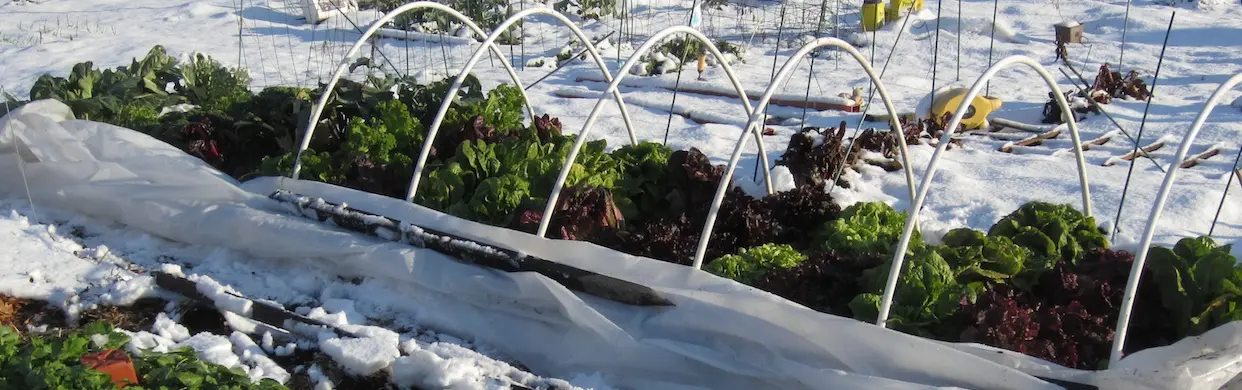
Winter: Winter is a time of dormancy for many plants. However, some hardy varieties can still grow, especially in milder climates. This is also a good time for pruning many trees and shrubs.
Understanding these seasonal effects is key to developing effective gardening techniques.
When Is the Ideal Time to Plant, Prune, and Harvest?
Each gardening task has its season:
-
Planting: For most perennials and annuals, the ideal time to plant is in the spring, after the last frost. But some vegetables, like peas and onions, and some bulbs, like daffodils and tulips, should be planted in the fall.
-
Pruning: For many trees and shrubs, the best time to prune is in late winter or early spring, before new growth starts. However, spring-flowering shrubs should be pruned immediately after their blossoms fade, which is usually in early summer.
-
Harvesting: The time to harvest varies greatly depending on what you're growing. Leafy greens may be ready to harvest within a few weeks of planting, while other vegetables like tomatoes or pumpkins can take several months. Many fruits also require months or even years to mature.
Remember, these are general guidelines. Actual planting, pruning, and harvesting times can vary based on local climate conditions and specific plant varieties.
Seasonal Gardening Tips for Newbies
As a beginner, mastering the art of seasonal gardening can be daunting. Here are a few tips to keep you on track:
-
Learn About Your Climate: Understand the average temperatures and rainfall in your area throughout the year. This information can guide your gardening decisions.
-
Study Your Plants: Different plants have different needs. Do research on the plants you want to cultivate. Know when they bloom, when they should be pruned, and what they need to thrive.
-
Observe Your Garden: Watch your garden throughout the seasons. See what works and what fails. Learn from your experiences and adapt your techniques accordingly.
-
Don't Overwhelm Yourself: Start small, perhaps with a few types of plants. As you gain more confidence and understand more about the rhythms of your garden, you can gradually introduce more diversity.
With patience, observation, and a little elbow grease, you'll be well on your way to developing a green thumb and harnessing the power of the seasons in your own backyard. No garden is perfect, and every season will bring its own challenges, but the joy of cultivating your own piece of nature is well worth the effort. Happy gardening!