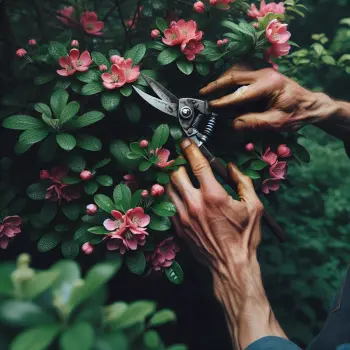
Pruning Maintenance Techniques – Newbie Gardening Tips
Gardening is an art, and like every other art form, it requires certain skills and techniques to be mastered. One such technique, often overlooked, is pruning. Pruning is not just about making your garden look neat, but it also helps the plants grow healthier and produce more flowers or fruits. So, whether you are a newbie or an experienced gardener, here's everything you need to know about pruning maintenance techniques.
What is Pruning?
Pruning is basically a horticultural and silvicultural process that involves meticulously removing certain parts of a plant, like branches, buds, or roots that are not contributing to the plant’s growth. The aim is to shape the plant, enhance its health, or boost its fruits or flowers production.
By cutting off dead or overgrown limbs, you clear out space for new sprigs to sprout. This not only adds an aesthetic appeal to the plants but also allows them to grow in a healthier way.
Benefits of Pruning
You might be wondering "Why is pruning important?" Here's why:
-
Plant's Health: Pruning helps in removing dead or diseased branches, preventing the spread of disease to other parts of the plant.
-
Aesthetic Charm: Pruning can help in maintaining a particular shape or design of the plants, adding to the overall appeal of your garden or landscape.
-
Improved Fruit and Flower production: Regular and proper pruning can lead to increased fruit and flower production in certain plant varieties.
-
Plant Control: Pruning can help control the size of the plants, making them manageable and preventing them from overcrowding.
Pruning Tools
Next up is the question, "What tools do I need for pruning?" Depending on the size of the plant or tree and the thickness of the branches you intend to prune, you will need one or more of these tools:
-
Hand Pruners: Also known as secateurs, these are suitable for cutting branches up to 1 inch in diameter.
-
Loppers: These are like hand pruners but have longer handles and can cut branches up to 2 inches thick.
-
Pruning Saws: These are needed for branches up to 5 inches in diameter.
-
Hedge Shears: Ideal for pruning hedges or plants with thin stems.
Pruning Techniques
When it comes to the actual pruning process, there are a few techniques you should be aware of:
-
Cleaning: This involves removing the dead, dying, or diseased wood.
-
Thinning: Cutting some branches back to their point of origin to let light and air into the center of the shrub.
-
Reduction: Reducing the shrub's size or to fit a certain space. Be wary not to cut off more than a third of the plant at a time.
-
Rejuvenation: Very old shrubs might benefit from more aggressive pruning. Pruning all stems back to the ground can allow for new healthy growth.
Remember, always make a clean cut close to the node or the branch. Never leave behind a stub as it is more prone to pests and disease.
When to Prune?
Many amateurs often question, "When is the right time to prune?" and "How frequently should pruning be done?"
The best time for pruning usually depends on the type of plant and its flowering season. Generally, most of the pruning is done in late winter or early spring before the new growth starts. However, for plants that bloom on new wood, such as roses and hydrangeas, pruning should be done in early spring.
On the other hand, plants that bloom on old wood, such as azaleas and forsythias, should be pruned immediately after flowering.
Pruning frequency is dependent on the plant variety and your gardening goals. Some fast-growing plants require frequent pruning, while others may only need annual or biennial pruning.
Pruning can be intimidating for beginners, but with understanding, practice and patience, it becomes part of the rhythms of gardening. Do your research about your specific plants before you start and do not forget to clean your tools often to reduce the risk of spreading diseases. Happy gardening!
FAQ
Q: Can all plants be pruned?
A: Most plants can be pruned, but it's not always necessary. Also, the timing and technique vary from plant to plant.
Q: Can too much pruning kill a plant?
A: Yes, over-pruning can cause serious damage, even killing a plant. The general rule is to avoid removing more than a third of a plant's overall growth.
Q: Why are my pruned branches not growing back?
A: The removed branch might not grow back, but the plant itself will continue to grow. Pruning stimulates growth in the remaining buds.
Q: Is there any basic rule for pruning?
A: One basic rule is to prune the dead, sick, and damaged branches first. Second, remember not to prune too much at a time. It's recommended not to remove more than one-third of the plant at a time.
Pruning Tips By Plant
Pruning is a crucial aspect of gardening that varies from plant to plant. Each type of plant has its unique pruning requirements to ensure optimal growth and health. Here are pruning tips for 10 of the most common plants that often need pruning:
1. Rose Bushes
- When to Prune: Prune roses in late winter or early spring, just before new growth begins.
- Pruning Technique: Remove dead or diseased canes, and cut back to shape the bush. Remove any crossing branches to improve air circulation.
2. Fruit Trees (Apple, Pear, Cherry)
- When to Prune: Prune fruit trees in late winter or early spring before bud break.
- Pruning Technique: Remove dead, damaged, or crossing branches. Create an open center to allow sunlight and air circulation.
3. Shrubs (Lilac, Forsythia)
- When to Prune: Prune spring-blooming shrubs right after flowering. Prune summer-blooming shrubs in late winter or early spring.
- Pruning Technique: Trim to shape and remove old, unproductive wood. Avoid cutting new growth.
4. Hydrangeas
- When to Prune: Prune based on the type of hydrangea. For most types, prune in late winter or early spring.
- Pruning Technique: Remove dead wood and spent blooms. Avoid cutting into the woody stems.
5. Evergreen Trees (Spruce, Pine)
- When to Prune: Prune evergreen trees in late winter or early spring before new growth.
- Pruning Technique: Trim back branches to maintain a balanced shape. Avoid cutting into old wood.
6. Ornamental Grasses
- When to Prune: Prune ornamental grasses in late winter or early spring before new growth.
- Pruning Technique: Cut back the entire plant to a few inches above the ground to allow new growth.
7. Lavender
- When to Prune: Prune lavender in early spring as new growth appears.
- Pruning Technique: Trim back the woody stems to promote new growth. Avoid cutting into old wood.
8. Tomatoes
- When to Prune: Prune indeterminate tomato varieties throughout the growing season.
- Pruning Technique: Remove lower branches and suckers to improve air circulation and fruit production.
9. Perennial Flowers (Peonies, Daylilies)
- When to Prune: Prune perennial flowers in late winter or early spring before new growth.
- Pruning Technique: Cut back dead foliage and spent flower stalks. Divide and replant if overcrowded.
10. Hedges (Boxwood, Privet)
- When to Prune: Prune hedges in late winter or early spring before new growth.
- Pruning Technique: Trim to shape, maintaining a slightly tapered top to allow sunlight to reach the lower branches.
11. Azaleas
- When to Prune: Prune azaleas immediately after flowering in spring.
- Pruning Technique: Remove dead or spent flowers and thin out crowded branches to improve air circulation.
12. Rhododendrons
- When to Prune: Prune rhododendrons right after flowering in spring.
- Pruning Technique: Remove dead or diseased branches and shape the plant by cutting back long or straggly stems.
13. Crepe Myrtles
- When to Prune: Prune crepe myrtles in late winter or early spring.
- Pruning Technique: Remove crossing branches and thin out the canopy for improved flowering.
14. Butterfly Bushes
- When to Prune: Prune butterfly bushes in late winter or early spring.
- Pruning Technique: Cut back hard to encourage new growth and remove dead wood.
15. Clematis
- When to Prune: Prune clematis based on its blooming group. Early bloomers in spring, late bloomers in late winter or early spring.
- Pruning Technique: Remove dead or weak stems and shape the plant according to its type.
16. Holly Bushes
- When to Prune: Prune holly bushes in late winter or early spring.
- Pruning Technique: Remove dead branches and shape the plant as desired.
17. Weigela
- When to Prune: Prune weigela in late winter or early spring.
- Pruning Technique: Trim back after flowering to maintain shape and encourage new growth.
18. Boxwoods
- When to Prune: Prune boxwoods in late winter or early spring.
- Pruning Technique: Shape the plant by trimming back new growth, avoiding cutting into old wood.
19. Wisteria
- When to Prune: Prune wisteria in late winter or early spring.
- Pruning Technique: Cut back long, straggly growth and remove old, unproductive stems.
20. Lilacs
- When to Prune: Prune lilacs right after flowering in spring.
- Pruning Technique: Remove spent flower clusters and thin out crowded branches.
Remember that understanding the specific needs of each plant is essential for successful pruning. Proper pruning is essential for the health and appearance of your plants. Always use sharp, clean tools, and avoid over-pruning, as it can harm the plant. Happy gardening!