Ultimate Guide to Planting Techniques - Newbie Gardening Tips
Whether you are someone who has just started exploring the wide world of gardening, or a seasoned gardener looking for new insights, understanding different planting techniques can significantly change your horticultural experience. From knowing when to sow your seeds to understanding soil types and fertilizers, this comprehensive guide will pave your way towards better gardening. So, let's dive in!
Why are Planting Techniques Important?
No two plants are identical in terms of their needs and care requirements. Various factors like climate, soil type, sunlight, and watering needs play a pivotal role in a plant's growth and survival. By understanding different planting techniques, we can make informed decisions about how to plant and nurture various species in the most effective way.
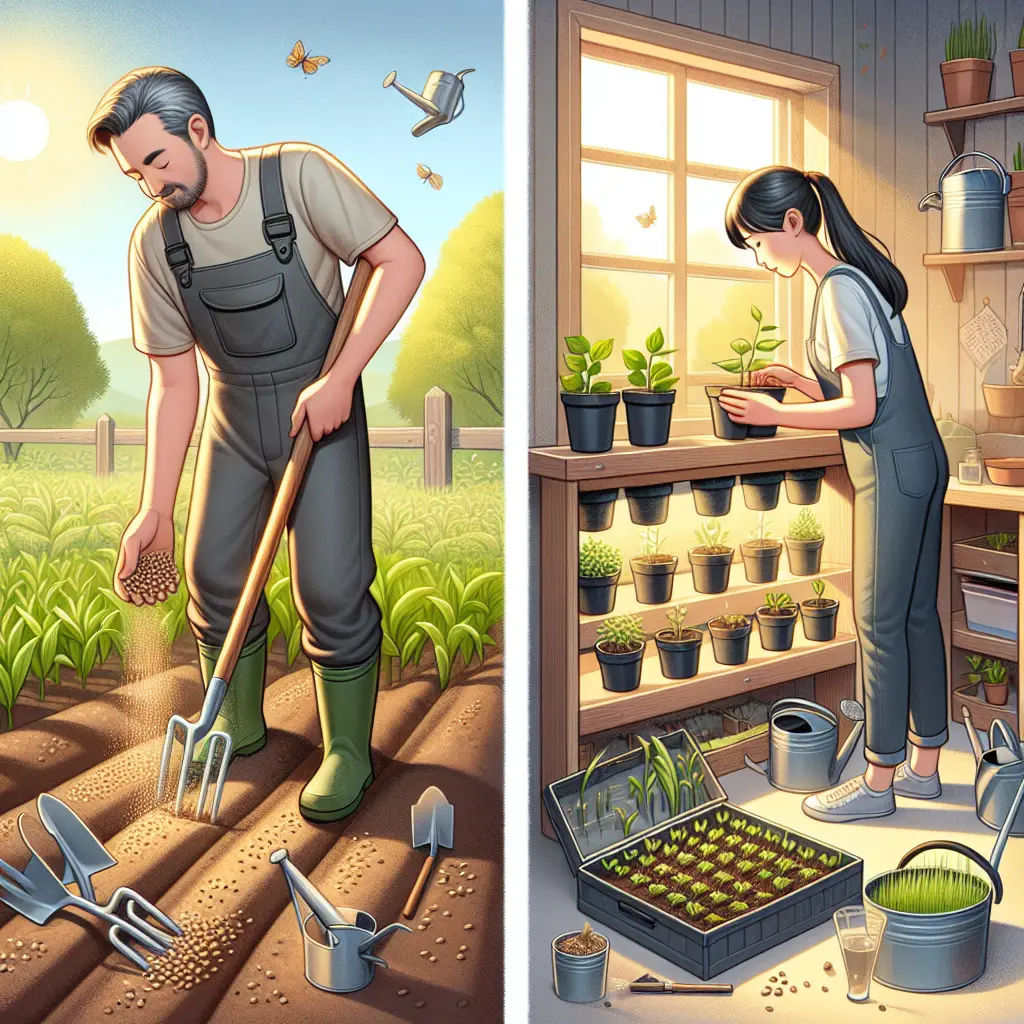
Planting Seeds: Direct Sowing vs Starting Indoors
Direct Sowing
This technique is about planting seeds directly into the soil of your garden. It's commonly used for large seeds or types of plants that do not transplant well.
To direct sow, you need to:
- Prepare the garden bed by clearing it of debris and breaking up clumps of soil.
- Follow the instructions on the seed packet on how deep and far apart to plant your seeds.
- Cover the seeds with soil and water gently. Keep the soil consistently moist until the sprouts appear.
Starting Indoors
Starting seeds indoors is a great method for plants that take a long time to produce flowers or fruit. It is also used for seeds that require controlled conditions to germinate.
- Fill a container with seed starting mix. Sow your seeds at the depth suggested on the seed packet.
- Cover the container with a plastic bag or a plastic wrap to retain humidity.
- Place the container in a warm, indirect light space until germination.
Then, you can transplant the seedlings to the garden after the suggested growth period and when any threat of frost has passed.
Planting Bare Root Plants
Bare root plants are typically sold during their dormancy period, with loose roots instead of being potted. They tend to be hardy varieties of trees, shrubs, or perennials.
Here's how you can plant them:
- Unpack the plant and soak the roots in a bucket of water for a few hours.
- Dig a hole wide and deep enough to accommodate the roots without bending or breaking them.
- Place the plant in the hole ensuring that the point where the roots meet the stem (known as the graft point) is level with or an inch below the ground level.
Planting Bulbs
Bulbs are the container and the food source for a flower. They are typically planted in the autumn before the ground freezes.
- Dig a hole about three times the bulb's height in depth.
- Set the bulb in the hole with the pointy side facing up.
- Cover with soil and water thoroughly.
Tips for Successful Planting
- Always consider the plant's natural habitat and replicate those conditions.
- Rotate your crops annually to prevent depletion of soil nutrients and pest attacks.
- Always water newly planted seeds or plants thoroughly.
- Make sure your soil is well-draining to prevent root rot.
- Follow your seed packet or plant label instructions; they usually contain essential information for each plant's unique requirements.
Planting techniques do vary significantly from plant to plant, and a method that works wonders for one might not work for another. The key is to understand the plant's needs and ensure we are able to meet them consistently.
In conclusion, remember that like all the best things in life, a thriving garden takes time. Patience, care, consistency, and undying enthusiasm for the process is what sets apart a true gardener. So, experiment with these techniques, make note of what works best for your garden, and most importantly, enjoy the process! Happy Gardening!