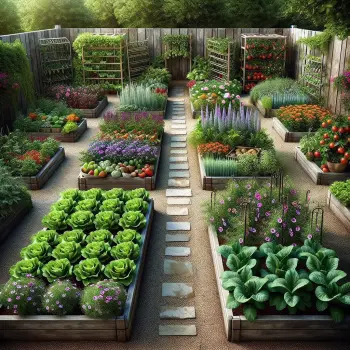
How to Build Raised Garden Beds - Novice Gardening Tips
Do you want to maximize your garden space and enjoy a healthier, productive harvest season? Raised garden beds offer a wide range of benefits such as superior soil conditions, better weed management, warmer soil temperatures, improved accessibility, and better pest control. Whether you are an expert gardener or a novice, we have compiled a step-by-step guide that simplifies the process of building raised garden beds.
Part 1: Understand the Benefits of Raised Bed Gardening
Why Choose Raised Bed Gardening?
Raised bed gardening offers a myriad of benefits. The soil in raised beds warms up more quickly in the spring, which allows for earlier planting. Plants also grow better because the high-quality soil in raised beds retains more moisture, provides enhanced drainage, and is easier to work with. Raised beds also minimize weed growth, promote healthier root systems, and help keep crops uniform and neatly organized.
Part 2: Choosing Materials for Your Raised Beds
What Types of Materials are Suitable for Raised Beds?
Raised beds can be constructed using different types of materials. Wood is the most popular choice for raised bed gardening because it is affordable, easy to use, and long-lasting. However, cedar and redwood are good options since they are naturally resistant to rot and decay. Other materials, like composite, concrete blocks, or galvanized steel, can also be used, depending on your budget and aesthetic preference.
Part 3: Learn the Basics of Building a Raised Garden Bed
How Do You Build a Raised Garden Bed?
Building a raised garden bed requires planning and some effort, but it is definitely worth it. Below is a step-by-step guide on how to build a raised garden bed.
-
Choose a Location: Raised beds should be located in an area that gets at least six hours of direct sunlight each day. Avoid places with standing water or near trees that can compete for water and nutrients.
-
Design Your Bed: Size your garden bed based on what you plan to plant and how much space you have. A bed that's 4 feet wide is ideal as it allows you to reach the center from either side.
-
Prepare Your Materials: You'll need four pieces of your chosen material, soil to fill the bed, screws or nails to secure the corners, a drill or hammer, and a level.
-
Assemble the Bed: Fasten the corners of your materials to form a square or rectangle, ensuring it is level.
-
Prepare the Ground: Remove any grass or weeds from the spot where you'll place the bed. You can also lay a barrier of cardboard or landscape fabric to prevent weeds.
-
Fill the Bed: Fill the bed with a mix of topsoil, compost, and other organic matter to promote soil fertility.
-
Plant Your Seeds or Seedlings: Follow the planting guide for each type of plant, being sure to space them appropriately.
Part 4: Choosing the Best Plants for Your Raised Garden Bed
What Can You Plant in a Raised Garden Bed?
Almost any type of vegetable, herb, or flower is suitable for raised bed planting. However, considering plant companions when planning your raised bed layout can increase your garden's efficiency. Some popular choices are tomatoes, peppers, lettuce, radishes, onions, and carrots.
Part 5: Care for Your Raised Garden Bed
How Do You Care for a Raised Garden Bed?
Maintaining a raised garden bed is similar to caring for a traditional garden. Water regularly as raised beds often drain faster. You may need to water more frequently during dry spells or high temperatures. Keeping an eye out for pests and using organic means to deter them is also vital. Lastly, adding organic material like compost or, manure in every growing season will keep your soil fresh and fertile.
In conclusion, raised bed gardening is a practical method that beginner and expert gardeners can leverage to maximize output in a small space. The ease of access, control over soil conditions, and improved plant health are just a few of the advantages this gardening style provides. Put these novice gardening tips to use and enjoy a fruitful growing season!
Plants Good for Raised Garden Beds:
-
Tomatoes: Tomatoes thrive in raised beds as they require well-drained soil and benefit from the warmth raised beds provide.
-
Peppers: Bell peppers, chili peppers, and other varieties do well in raised garden beds with good drainage.
-
Lettuce: Lettuce is a cool-season crop that works well in raised beds, especially when you can control the soil quality.
-
Spinach: Spinach prefers well-drained, nutrient-rich soil, making raised beds an excellent choice.
-
Carrots: Raised beds offer loose, friable soil that is ideal for root crops like carrots.
-
Radishes: Radishes grow quickly in raised beds and can be interplanted with other vegetables.
-
Herbs: Culinary herbs like basil, cilantro, and parsley thrive in raised beds.
-
Zucchini and Squash: These plants benefit from the warmth and well-drained soil of raised beds.
-
Cucumbers: Cucumbers can be trained to grow vertically in raised beds, saving space.
-
Strawberries: Raised beds with good drainage are excellent for growing strawberries.
Plants Not Ideal for Raised Garden Beds:
-
Tall or Large Trees: Trees with deep root systems can disrupt the structure of raised beds and compete for nutrients.
-
Mint: Mint is a vigorous spreader and can quickly take over a raised bed.
-
Bamboo: Bamboo has invasive roots that can be challenging to contain in a raised bed.
-
Artichokes: Artichokes have extensive root systems and may not thrive in the confined space of a raised bed.
-
Asparagus: Asparagus plants have deep roots and may not perform well in a raised bed.
-
Rhubarb: Rhubarb plants also have deep roots and require more space than a typical raised bed provides.
-
Sunflowers: Sunflowers grow tall and may overshadow other plants in a raised bed.
-
Pumpkins: While small pumpkin varieties may work, larger pumpkins require a lot of space and may not be suitable for raised beds.
-
Blueberries: Blueberries prefer acidic soil conditions that can be challenging to maintain in raised beds.
-
Grapes: Grapevines have extensive root systems and are best suited for larger garden areas.