Indoor Gardening Guide for Beginners
Indoor Gardening Guide for Beginners & Newbie Gardening Tips
Welcome to our comprehensive guide to indoor gardening. Designed specifically for beginners, we explore everything from identifying the best plants for indoor gardens, to clear and concise care instructions, practical tips, and the manifold benefits that come with having a garden inside your home. With this guide, we aim to demystify the process and provide a clear path towards creating a flourishing indoor garden. For broader context, you might also explore our Garden Planning guide to organize space and light efficiently.
What is Indoor Gardening?
Indoor gardening refers to the cultivation of houseplants within a residence or building, in a conservatory, or in a greenhouse. This practice appeals to those with limited outdoor space, or those living in locations with harsh weather conditions, who still wish to nurture a green thumb. If you’re looking to place plants in dedicated containers, our container gardening page offers useful techniques and ideas.
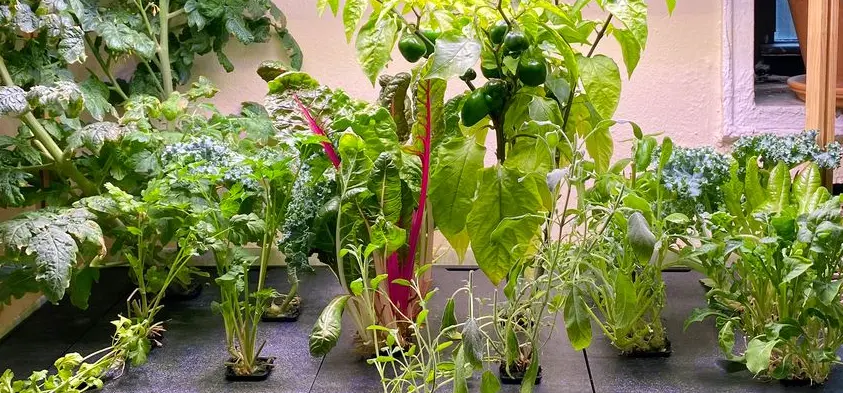
Benefits of Indoor Gardening
Introduction of Green Space
Indoor gardening introduces green space into your home, which not only beautifies your surroundings but also creates a peaceful, relaxing environment.
Improved Air Quality
Plants are nature's own air purifiers. They absorb carbon dioxide and release oxygen into their environments, effectively enhancing the air quality around them. Some plants even have the ability to remove toxins from the air. For a deeper look at plant health, see our Plant Care Fundamentals.
Mental Health Benefits
Caring for plants can offer numerous mental health benefits. It's a therapeutic activity which can help reduce stress and anxiety levels. The presence of greenery can also enhance your mood and promote mindfulness. You might also enjoy our article on Seasonal Gardening for mood-boosting routines throughout the year.
Learn New Skills
Finally, gardening can help you acquire new skills and learn about different types of plants, their needs, growth patterns, and more. If you’re curious about starting with seeds, check our Seed Starting section under Basics.
What Kind of Plants Should I Choose?
When starting on your indoor gardening journey, it's crucial to consider your environment and the plants suitable for it. Here are a few popular indoor plants:
Succulents
These are a great starting point for any beginner. They require minimal attention and love bright light. Their water needs are minimal, and they're rather resilient. If you’re exploring a broader range of drought-tolerant options, our Succulent Gardens page offers a curated set of ideas.
Snake Plants
These are highly adaptable and very hard to kill. They can tolerate low light and irregular watering.
Spider Plants
These are extremely adaptable and will grow in a variety of conditions. They're also excellent at purifying the air.
Pothos
This is one of the easiest indoor plants to grow. They're not overly sensitive to underwatering or overwatering.
Peace Lilies
Peace lilies are beautiful and surprisingly easy to maintain. They love partial sunlight and well-drained soil.
Indoor Gardening Tips for Beginners
Understanding Light Requirements
Each plant species has its own light requirements. Some plants thrive in low light conditions, while others need plenty of direct sunlight. Understanding what each plant needs is crucial to their survival and growth. For more on lighting, consider our article on Grow Lights and how to optimize them for small spaces.
Watering Wisely
Overwatering is one of the most common mistakes in indoor gardening. Most indoor plants prefer their soil to dry out completely between watering. Our Soil and Growing Medium guide can help you choose the right mix for your plants.
Temperature and Humidity
Most indoor plants prefer temperatures between 65 and 75 degrees Fahrenheit during the day and slightly cooler during the night. Understanding the temperature and humidity needs of your plants will help them thrive. If you’re managing humidity for tropical varieties, see our Humidity Control resources.
Choosing the Right Soil
A good rule of thumb is to choose a soil mix that is specific to your plant's needs. Most indoor plants do well with a general indoor plant soil mix, but others, like succulents and orchids, have specific soil needs. When you’re ready for more, our potting mix guide provides further detail, and you can pair this with your container setup from our Container Gardening page.
Fertilize Regularly
All plants need nutrients, which often get depleted from the soil over time. Regularly feeding your plants with the right kind of fertilizer can make a big difference in their health and growth. Our Fertilizers and Nutrients section lists common options for beginners and shows how to apply them without overdoing it.
Indoor gardening can seem daunting to beginners, but with a little patience, and a lot of love, you can cultivate a green oasis within your dwelling. Remember that each plant species is unique and may require specific care, so take the time to learn about your plants and their needs. With this guide, you're well on your way to becoming an indoor gardening pro. Happy gardening!
Good Plants for Indoor Gardens
-
Spider Plant (Chlorophytum comosum):
- Spider plants are known for their air-purifying qualities and adaptability to low light conditions.
-
Snake Plant (Sansevieria trifasciata):
- Snake plants are low-maintenance and can thrive in low light, making them ideal for indoor settings.
-
Pothos (Epipremnum aureum):
- Pothos are trailing vines that tolerate low light and can add a decorative touch to your indoor space.
-
Herbs (e.g., basil, mint, rosemary):
- Herbs like basil, mint, and rosemary can be grown indoors and provide fresh flavors for cooking.
-
Succulents (e.g., aloe vera, jade plant):
- Succulents are drought-tolerant and come in various shapes and sizes, making them perfect for indoor gardens.
-
Peace Lily (Spathiphyllum):
- Peace lilies are elegant plants that thrive in low light and help improve indoor air quality.
Plants to Avoid in Indoor Gardens
-
Large Trees or Shrubs:
- Trees and shrubs that grow too large are not suitable for indoor spaces due to space constraints.
-
Invasive Plants:
- Avoid planting invasive species that can take over your indoor garden and harm other plants.
-
Plants with High Water Needs:
- Plants that require excessive watering may be challenging to maintain indoors, as they can lead to overwatering issues.
-
High-Maintenance Plants:
- Plants that demand frequent care, such as specialized pruning or complex soil requirements, may not be suitable for beginners.
-
Plants with Thorny or Toxic Parts:
- Be cautious with plants that have thorns or toxic parts, especially if you have pets or children at home.
-
Outdoor Plants Not Suited for Indoors:
- Some outdoor plants, like those requiring full sun or specific outdoor conditions, are not suited for indoor environments.
Indoor Garden Essential Supplies Checklist
Indoor gardening is a rewarding hobby that can bring a touch of nature into your home, improve air quality, and even provide fresh herbs and vegetables. Here’s a checklist of essential supplies you'll need to start your indoor garden.
1. Containers
- Pots: Choose pots with drainage holes to prevent waterlogging. Materials can range from plastic, terra cotta to recycled materials.
- When choosing pots, consider container options that suit your space, such as compact designs from our Container Gardening collection.
- Trays: To catch excess water and protect surfaces.
- Hanging Planters: Ideal for small spaces and adding vertical interest.
2. Soil and Growing Medium
- Potting Mix: Select a high-quality potting mix suitable for indoor plants. Avoid using garden soil as it may contain pests and is too dense.
- Expanded Clay Pebbles: Useful for hydroponic systems or as a drainage layer in pots.
- Perlite or Vermiculite: Enhances soil aeration and water retention.
3. Plants or Seeds
- Herbs: Basil, mint, and cilantro are great for beginners.
- Vegetables: Tomatoes, lettuce, and spinach can thrive indoors.
- Ornamental Plants: Succulents, ferns, and spider plants are low-maintenance options.
4. Lighting
- Grow Lights: Essential if your space lacks natural light. LED grow lights are energy-efficient and emit less heat.
- Light Timer: Automates light cycles, crucial for plant health. If you’re short on space, explore our compact indoor garden solutions in the Container Gardening page.
5. Watering System
- Watering Can: Choose one with a long spout for ease of use.
- Spray Bottle: Useful for misting plants that require high humidity.
- Self-Watering Systems: Consider for convenience, especially if you travel.
6. Fertilizers and Nutrients
- All-purpose Fertilizer: Liquid fertilizers are easy to apply and control.
- Specialized Fertilizers: Depending on the types of plants you have.
7. Tools and Accessories
- Pruning Shears: For trimming and shaping plants.
- Gloves: Protect your hands during gardening.
- Moisture Meter: Helps in monitoring soil moisture levels.
8. Temperature and Humidity Control
- Thermometer: To monitor indoor temperatures.
- Humidifier: Beneficial for tropical plants that require higher humidity.
9. Plant Support and Training
- Stakes and Ties: For supporting taller plants or vining vegetables.
- Trellises: For climbing plants like peas or decorative vines.
10. Pest Management
- Neem Oil or Insecticidal Soap: Natural options for pest control.
- Sticky Traps: To catch flying insects like gnats and whiteflies.
Starting an indoor garden can be a fun and fulfilling project. With the right supplies and a little bit of care, you can create a thriving green space inside your home. Remember, the key to a successful indoor garden is understanding the needs of your plants and providing the right environment for them to grow. If you want more on plant health, our Plant Care Fundamentals page is a great companion.