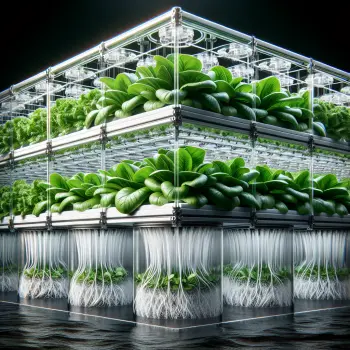
Hydroponics Basics: Novice Gardening Tips
Welcome to the world of hydroponics gardening, a faster and more sustainable way to grow your favorite plants indoors using water, light, and nutrients. Hydroponics is well-suited for apartment dwellers and people with minimal outdoor space. This gardening method can be pursued year-round, regardless of the season or outdoor conditions.
What is Hydroponics?
Hydroponics is a method of growing plants without soil. Instead, it uses a water-based, nutrient-rich solution to provide all the necessary nutrients a plant needs. The roots system receives direct nutrition from the water, promoting faster, more effective growth.
What are the Advantages of Hydroponics?
Hydroponic gardening isn't just a cool method for indoor gardening. It provides a suite of benefits that make it a worthy option for both novice and experienced gardeners:
- Faster Growth Rate: Hydroponics plants grow 30 – 50% faster than soil-planted counterparts due to direct exposure to necessary nutrients.
- Space–Efficiency: If you're short of space, hydroponics systems can be set up vertically, enabling you to grow more plants in a small area.
- Less Water Usage: Hydroponics consumes less water than traditional soil gardening because the closed system recirculates water.
- Indoor Gardening: No more worries about the seasons or local climate affecting your plants. Hydroponics allows for all-year-round gardening.
Different Types of Hydroponic Systems
There are six types of hydroponic systems: Wick System, Deep Water Culture (DWC), Nutrient Film Technique (NFT), Ebb and Flow (Flood & Drain), Aeroponics, and Drip System. Each system has its own set of requirements and suits different types of plants.
Here’s a simple rundown on each:
- Wick System: Most basic and easiest to set up. The wicks transport nutrients from the solution to the plants. Perfect for beginners.
- DWC: Plants are suspended in a nutrient solution with the root system submerged, while an aquarium air pump oxygenates the solution.
- NFT: A thin film of nutrient solution is pumped over roots suspended in the air allowing for oxygen exposure and nutrient absorption.
- Ebb and Flow: A timer controls a pump, which floods the plant container with the nutrient solution allowing the root system to absorb its needs.
- Aeroponics: Roots hang in the air and are misted with the nutrient solution.
- Drip System: A timer-controlled pump delivers a nutrient solution to each plant through a small drip line.
How to set up a Hydroponics System
The setup depends on the type of hydroponic system you choose. However, here’s a brief overview of the process:
- Select the System: Choose the type of hydroponic system based on your budget, available space, and level of expertise.
- Choose Your Plants: Not all plants are suitable for hydroponics. Lettuce, spinach, strawberries, bell peppers, and various herbs are great beginning choices.
- Prepare the Grow Medium: The substitute for soil, grow mediums (like Rockwool, perlite, coconut coir) anchor the plant roots and absorb the nutrient solution.
- Mix Nutrients and Water: The nutrient solution should be perfectly balanced to ensure plant health. Most hydroponic gardeners use a ready-made nutrient mix.
- Plant and Maintain: Once set up, maintaining the pH and nutrient levels is crucial. Check daily for indications of plant stress or disease.
Tips for successful Hydroponic Gardening
- Always keep an eye on the pH level of your nutrient solution. The appropriate pH can vary, but most plants prefer a slightly acidic environment (pH 5.5 – 6.5).
- Keep your hydroponic system clean to avoid disease and ensure efficient nutrient absorption.
- Regularly check your pump, tubes, and other system components to ensure everything is functioning correctly.
- Optimize your indoor light source as much as possible. Adequate light exposure affects plant photosynthesis and growth rates.
With this comprehensive guide on hydroponic gardening, you're now ready to start your own indoor garden. Remember, practice makes perfect, don’t get discouraged if things don’t work out the first time. Keep tweaking and experimenting until you find a system that works best for you. Happy gardening!
Plants Well-Suited for Hydroponics:
-
Lettuce (Lactuca sativa): Lettuce is one of the most popular hydroponic crops due to its fast growth and shallow root system.
-
Basil (Ocimum basilicum): Basil thrives in hydroponic systems and is known for its aromatic leaves.
-
Swiss Chard (Beta vulgaris var. cicla): Swiss chard is a leafy green that does well in hydroponic setups.
-
Kale (Brassica oleracea var. acephala): Kale is a nutrient-dense green that can flourish in hydroponics.
-
Spinach (Spinacia oleracea): Spinach is another leafy green that adapts well to hydroponic growing.
-
Tomatoes (Solanum lycopersicum): Certain tomato varieties, especially determinate types, can be successfully grown hydroponically.
-
Cucumbers (Cucumis sativus): Compact cucumber varieties are suitable for hydroponics, producing crisp fruits.
-
Peppers (Capsicum annuum): Bell peppers and chili peppers can thrive in hydroponic systems.
-
Strawberries (Fragaria x ananassa): Strawberries can be grown hydroponically, providing sweet berries.
-
Herbs (Various): Many herbs like mint, oregano, and cilantro do well in hydroponics.
Plants Challenging for Hydroponics:
-
Carrots (Daucus carota): Carrots have long taproots that may struggle in hydroponic setups.
-
Potatoes (Solanum tuberosum): Potatoes require a lot of space for their underground tubers, making them less suitable for hydroponics.
-
Onions (Allium cepa): Onions have a long growing season and may not be ideal for hydroponics.
-
Corn (Zea mays): Corn plants are tall and require a significant amount of space, making them impractical for most hydroponic systems.
-
Watermelon (Citrullus lanatus): Watermelon vines are large and produce heavy fruits, which can be challenging to support in hydroponics.
-
Pumpkins (Cucurbita pepo): Pumpkins have sprawling vines and large fruits, making them unsuitable for hydroponic cultivation.
-
Blueberries (Vaccinium spp.): Blueberry bushes have specific soil requirements that are difficult to replicate in hydroponics.
-
Artichokes (Cynara cardunculus var. scolymus): Artichokes have extensive root systems and can be challenging to grow hydroponically.
-
Asparagus (Asparagus officinalis): Asparagus has deep and extensive root systems that may not thrive in hydroponics.
-
Rhubarb (Rheum rhabarbarum): Rhubarb plants have long, thick roots and may not adapt well to hydroponic systems.
Example Hydroponics Setup
Hydroponics is a versatile and efficient method of growing plants without soil. Below is an example of a simple hydroponics setup for growing lettuce:
Components Needed:
-
Grow Tray: A shallow, waterproof tray that holds the plants and nutrient solution. It should have holes or slots to support plant containers.
-
Net Pots: Small plastic or mesh pots that hold the plants and allow their roots to access the nutrient solution.
-
Growing Medium: Hydroponic growing mediums like rock wool, coconut coir, or perlite are used in net pots to support plant growth.
-
Nutrient Solution: A balanced mixture of water and hydroponic nutrients that provides essential minerals and nutrients to the plants.
-
Submersible Water Pump: A pump to circulate the nutrient solution from the reservoir to the grow tray.
-
Reservoir: A container to hold the nutrient solution. It should be opaque to prevent algae growth.
-
pH and EC Meters: Tools to monitor and adjust the pH level and electrical conductivity (EC) of the nutrient solution.
-
Grow Lights: Depending on your setup, you may need grow lights to provide sufficient light for plant growth, especially if you're growing indoors.
-
Timer: A timer to automate the lighting and nutrient solution delivery, ensuring consistent intervals.
Setup Steps:
-
Place the grow tray on a stable surface in a location with access to adequate light or under grow lights.
-
Fill the reservoir with the prepared nutrient solution. Ensure it's at the right pH level (typically around 5.5 to 6.5) and the appropriate EC level for your plants.
-
Insert the submersible water pump into the reservoir and connect it to the timer.
-
Arrange the net pots filled with the chosen growing medium (e.g., rock wool) in the grow tray.
-
Plant your lettuce seedlings or seeds into the net pots.
-
Set the timer to control the pump's schedule. Typically, you'll have the pump run for a few minutes every hour to flood the growing medium and provide the plants with nutrients.
-
Monitor the nutrient solution's pH and EC regularly using the meters and adjust them as needed.
-
Ensure the grow lights are positioned at the right distance and duration to provide adequate light for plant growth.
-
Maintain proper temperature and humidity levels for your specific plants.
-
Keep an eye on plant health, including signs of nutrient deficiencies or pests, and address any issues promptly.
This example represents a basic hydroponics setup for growing lettuce. Depending on the type of plants you want to grow and the scale of your operation, you can customize your hydroponics system with additional features and components. Proper maintenance and monitoring are essential for successful hydroponic gardening.