Seed Starting Basics for Newbie Gardeners
Gardening may seem overwhelming at first, but starting your own plants from seeds at home is an easy and economical way to fill your garden with abundant, healthy plants. This comprehensive guide will explain the essentials of seed starting for beginners.
What is Seed Starting?
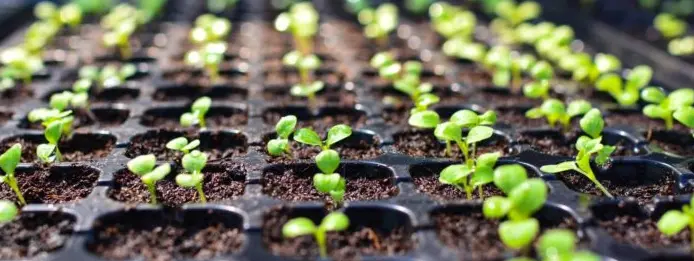
Seed Starting is the process of growing plants from seeds. It involves choosing the right seeds, providing suitable growing conditions and nurturing the tiny seedlings until they are strong enough to be transplanted outdoors or into their permanent homes.
Why Start Seeds at Home?
Starting seeds at home can be a rewarding experience and offers several advantages:
- Variety: You have access to a wider variety of plant species and cultivars not typically available as starter plants in nurseries or garden centers.
- Cost-effective: A packet of seeds is usually cheaper than buying individual potted plants.
- Timing: You can control when to start your plants, allowing you to extend your growing season.
Getting Started with Seed Starting
Choosing Your Seeds
The first step in the seed starting process is selecting the seeds. The choice depends on your local climate, the space you have available and your personal preferences. When you're just starting, you might want to choose easy-to-grow plants like radishes, lettuce, marigolds or sunflowers. Before purchasing, check the planting information on the packet to make sure the plant is suitable for your location and the time of year.
When to Start
Timing is crucial in seed starting. Ideally, you want your seedlings ready to go outside after the last frost but before the heat of summer sets in. Most seeds should be started 6-8 weeks before the last expected frost date.
Equipment Needed
Here's a simple list of equipment you'll need for seed starting:
- Seed trays or pots
- Seed compost
- A watering can with a fine rose
- Clear plastic bags or a propagator
- Seeds!
The Process
- Fill Your Containers: Fill your seed trays or pots with seed compost, gently firming it down with your fingers.
- Plant the Seeds: Following the packet instructions on depth and spacing, sow your seeds onto the surface of the compost.
- Cover the Seeds: Gently cover the seeds with a thin layer of compost or vermiculite if required.
- Water Carefully: Using a watering can with a fine rose, water the seeds gently to avoid displacing them.
- Provide Warmth and Light: Place the pots in a propagator or cover them with a clear plastic bag and put them somewhere warm and bright but out of direct sunlight.
- Monitor and Maintain: Keep an eye on your seeds and ensure they don't dry out. Once germination starts, make sure seedlings get plenty of light and are kept moist.
Tips for Successful Seed Starting
- Maintain Adequate Moisture: Seeds need moisture to germinate but too much can cause rot. Aim to keep soil moist, not soggy.
- Provide Enough Light: Seedlings need a lot of light. If you don't have a sunny window, you may need to invest in grow lights.
- Avoid Overcrowding: Too many seeds in a small space can result in weak, leggy plants. Thin out seedlings as required.
- Harden Off Seedlings: Before planting outdoors, acclimate your seedlings to outdoor condition by gradually exposing them to outside temperatures over a couple of weeks.
Common Questions About Seed Starting
What is the easiest vegetable to grow from seed?
Lettuce, radishes, and green beans are some of the easiest vegetables to start from seed.
Do I need to soak seeds before planting?
Some seeds benefit from pre-soaking to speed up germination but it's not a requirement for many seeds. Check the seed packet for specific instructions.
Why are my seedlings leggy?
Leggy seedlings are usually a sign of insufficient light. Try moving your seedlings to a brighter location or use grow lights.
When should I transplant my seedlings?
Transplant seedlings once they have developed their first true set of leaves and have a robust root system.
By following this guide, you will hopefully find that seed starting isn't as daunting as it seems, and it can open up a world of gardening possibilities. Remember, every professional gardener was once a beginner too, and the learning never stops. Embrace mistakes as learning opportunities and enjoy watching your plants grow from tiny seeds to fruitful harvests. Happy gardening!